Chef Arvie’s passion for cooking stems from the joy it brings to others and the opportunity to create memorable experiences through food. He draws inspiration from his childhood summers spent on his grandparents’ farm in the Philippines and his experiences working with notable Michelin chefs such as Chef Bjoern Alexandre Panek, Chef Nathan Outlaw and Chef Ross Shonhan.
At the camp’s signature restaurant, Api Jiwa, Chef Arvie introduces an interactive culinary experience emphasising respect for the environment. He uses seasonal ingredients to infuse dishes with natural smokiness and celebrates the rich resources of the land.
The camp’s culinary offerings are diverse; the Mads Lange restaurant features menus inspired by spice trading across the archipelago, while the Mortar & Pestle Bar provides a serene alfresco setting in the heart of the rainforest. Drinks here are made using traditional methods, and the bite-sized delicacies promote a healthy lifestyle.
The Campfire invites guests to enjoy a classic bonfire experience under the stars while watching documentaries about Bali’s history. In addition, Chef Arvie and his culinary team curate bespoke private dining experiences, ranging from candlelit dinners to private picnics in the rice fields, catering to the delight of Capella Ubud’s esteemed guests.
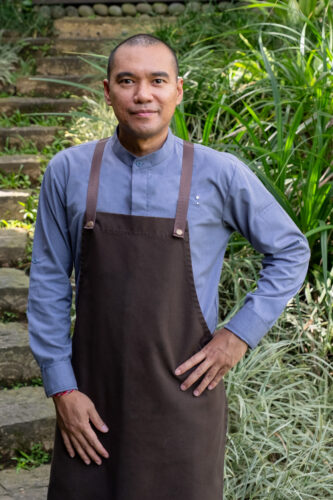
1. What is your philosophy when it comes to food?
My philosophy in cooking has always been about respect for the ingredients, the people who grow them, and the land that provides them. Food should tell a story that connects the diner to its origin, celebrates craftsmanship, and honours nature’s rhythm.
I cook with sustainability, seasonality, and soul in mind, taking what’s local and turning it into something that feels both familiar and new. Technique is essential, but intention is everything. Every dish should carry meaning, not just to impress, but to evoke memories, emotions, and connections.
It’s about cooking with honesty, creativity, and care, allowing simplicity and balance to speak louder than extravagance.
2. Name your most Favorite dish on the menu? And why?
My favourite dish on the menu is the Keliki Chicken Wings. It’s more than just a dish; it’s a story about home and community. Keliki is the village where Capella Ubud stands, and nearly a third of our colleagues come from there. This dish was created to honour the people, the land, and the traditions that surround us.
Everything about it is rooted in that sense of place. The chicken, herbs, and spices are all sourced locally from the same community. The glaze combines soy and honey, and the bee pollen sprinkled on top comes from the same farm that produces the honey itself. Even the kecombrang, or torch ginger, used in the sauce adds that distinctive local brightness and aroma.
For me, the Keliki Chicken Wings reflect what I believe food should be: a celebration of the connection between chef and farmer, tradition and creativity. It’s simple, but it truly captures the spirit of where we are.
3. Main considerations when it comes to choosing your ingredients?
My primary considerations are quality, origin, and seasonality. I enjoy knowing the origin of each ingredient and working with what’s fresh and local. It’s about respecting the ingredient and letting it shine.
4. How do you see the growing demands for sustainable produce affecting the food world?
It’s pushing the food world in the right direction. It’s making chefs more mindful not just about what we cook, but where it comes from and how it impacts the environment. It’s encouraging closer relationships with local farmers and inspiring more creativity in using what’s available in a responsible manner. Ultimately, it’s not just a trend; it’s becoming a standard.
5. If you weren’t a chef, or in the food business, what would you be?
If I weren’t a chef, I’d be a lawyer. I’ve always been drawn to understanding facts, supporting people, and standing up for what’s right. At one point, I also wanted to be a doctor. I liked the idea of making a difference in people’s lives. But thank goodness I didn’t become one, because I’d probably faint at the sight of blood. In the end, cooking still allows me to do what I love – taking care of people – just in a different way.
6. Do you have a memorable food experience that impacted you as a child or young chef?
It all started when I was 12, on a trip with my dad to San Francisco’s Fisherman’s Wharf. Among the seafood stalls, a small stand selling sourdough bread caught my attention. We lined up, and as we got closer, I smelled something vibrant, warm, and comforting.
When it was my turn, the man handed me a sourdough bowl filled with clam chowder. I took one spoonful, and everything fell into place. The flavours, the warmth, it was pure joy. That moment made me realise what I wanted to do: create that same feeling for others through food. That’s where my culinary journey began.
7. What do you enjoy most about being a chef?
What I enjoy most about being a chef now is the chance to travel and connect through food. You can understand a country and its history just by what’s on the plate. Food is a universal language. You don’t need many words to share appreciation; a thumbs up, an okay sign, or a chef’s kiss says it all.
Now that I get to cook more often, I also enjoy meeting different kinds of people, finding that connection, telling them the story behind what they’re about to eat, and seeing that moment of joy when everything comes together.
8. Other than creating good food, what are the most important qualities that make a successful chef?
To become a successful chef, it’s never just about one person’s success; there’s always a team beside you. Humility comes first: staying grounded, learning from others, and treating every challenge as an opportunity to grow and develop. Then comes dedication, committing yourself fully to the craft, even when the road gets tough.
And lastly, heart. It might sound cliché, but it’s about finding the reason why you want to be better. For me, I always go back to my chefs and mentors, the people who believed in me and invested their time and knowledge in me. I don’t ever want that to go to waste. That’s my motivation, and that’s where the heart truly comes in.
9. If you had a choice of anything for your last meal, what would you choose to have?
If I had to choose my last meal, I’d go with a dollar pizza. When I first started out as a chef in New York, I lived there for months. It’s simple, greasy, and far from fancy, but it reminds me of where I started, the hustle, and the hunger to make it. It would be pure nostalgia, and honestly, the perfect way to end it.
10. Do you have any tips for budding chefs or restaurateurs?
My advice for budding chefs or restaurateurs is to find something you genuinely believe in and build from there. Develop that idea, shape it into a story, and share it with anyone willing to listen. Don’t just put food on a plate, put your soul into it. People may forget the details of a dish, but they’ll always remember how it made them feel.
ADDRESS:
Jl. RY Dalem, Keliki, Kec. Tegallalang, Kabupaten Gianyar, Bali 80561, Indonesia
PHONE:
+62 361 2091888
WEBSITE:
https://capellahotels.com/en/capella-ubud
Capella Ubud – Savour BlackBookAsia’s Ultra Luxury Resort 2025 – Savour BlackBookAsia